
Kent County Deed Records Search
Kent County deed records are maintained by the Register of Deeds office at 300 Monroe Avenue NW in Grand Rapids, with the archive stretching back to 1835. The office handles recordings, certified copies, and property research for one of Michigan's most active real estate markets, covering Grand Rapids and surrounding communities. This page walks through how to search online, what it costs to record or copy documents, and what types of instruments you can find in the Kent County deed record index.
Kent County Deed Records
Kent County Register of Deeds Office
The Kent County Register of Deeds is located at 300 Monroe Avenue NW, Grand Rapids, MI 49503. Office hours run Monday through Friday, 8:00 AM to 4:45 PM. The main phone is 616-632-7610, and the fax is 616-632-7615. Full department details appear on the Kent County Register of Deeds website.
Kent County operates a combined County Clerk and Register of Deeds office. That means certain civil records and deed records share the same administrative structure, though the recording functions are kept distinct. If you are unsure which office handles a particular document type, calling 616-632-7610 before your visit will save time.
Grand Rapids is the county seat and the second-largest city in Michigan. Kent County sees a high volume of real estate activity, so the Register of Deeds office processes a large number of documents each week. Staff are experienced with both routine residential filings and more complex commercial transactions. The office also accepts e-recording, which cuts down on the need for in-person drop-offs.
The AccessKent county portal gives a broader view of county departments, contact details, and online services available to residents and professionals.
The screenshots below show the Kent County Register of Deeds department page and the main AccessKent portal.
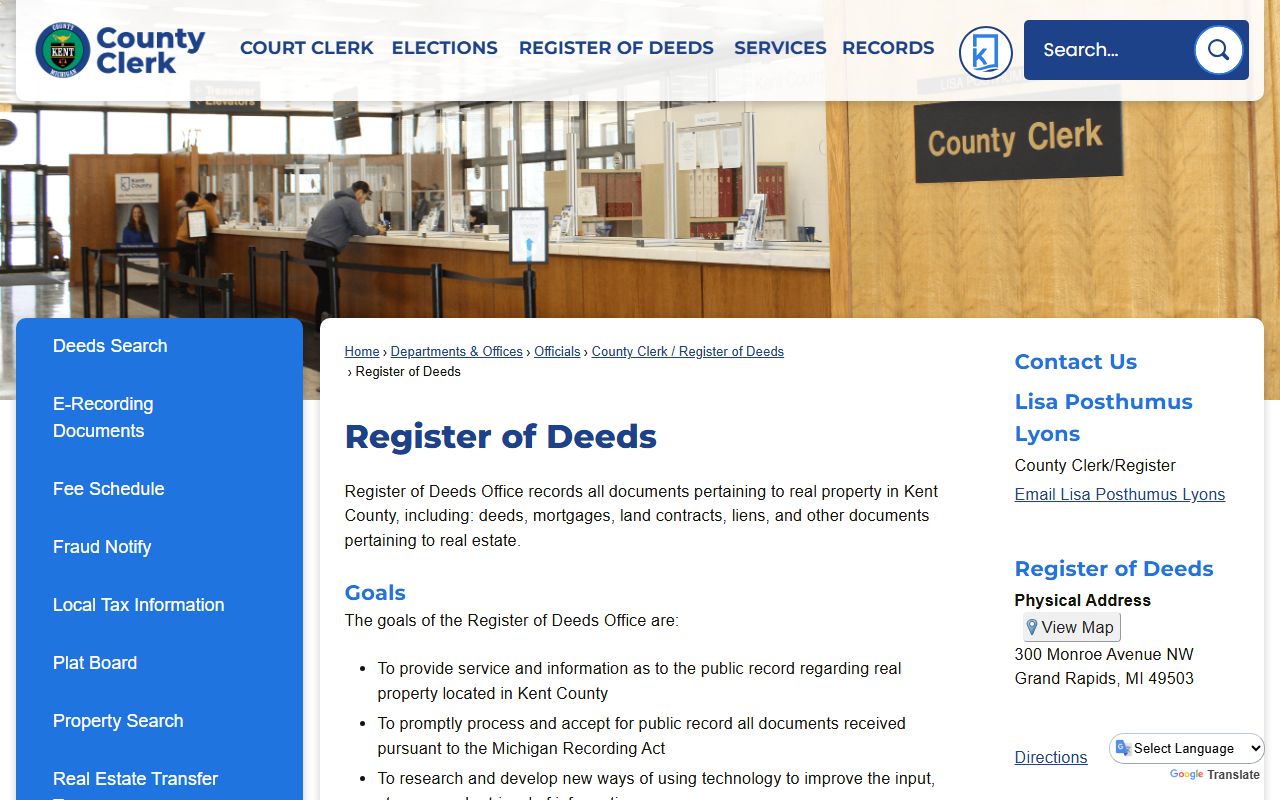
The department page at accesskent.com/Departments/RegisterofDeeds/ lists office hours, recording requirements, and links to online search tools.
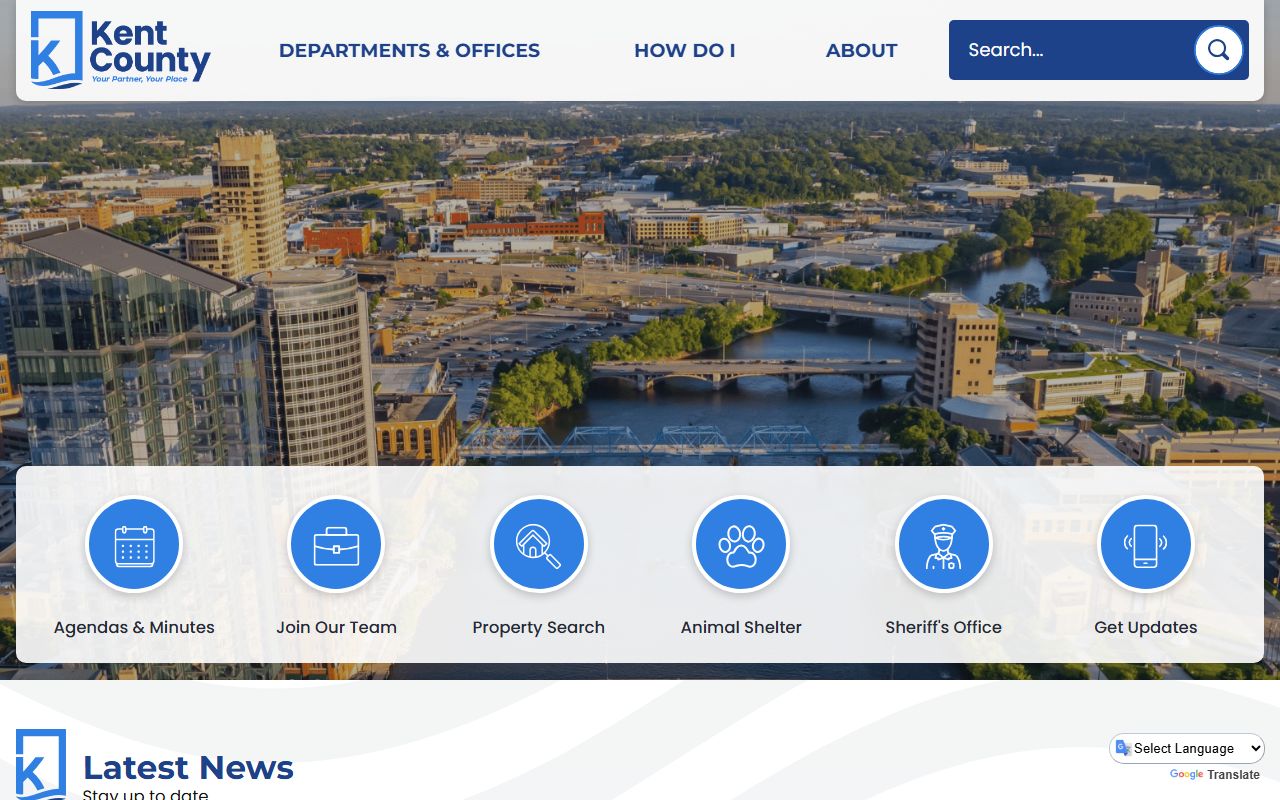
The main AccessKent portal connects users to all county departments, including the Register of Deeds.
Searching Kent County Deed Records Online
Kent County offers online deed record access through its AccessKent portal. The system lets you search by grantor or grantee name, instrument type, and date range. Title professionals and attorneys who work frequently in Kent County often use this system to run quick checks before pulling full documents.
E-recording is available in Kent County. Vendors like Simplifile (1-800-460-5657), ePN, CSC, and Indecomm all support electronic submission of deed documents directly to the county system. This is the fastest way to get a document into the record and is widely used by title companies and law firms throughout the Grand Rapids area. The legal authority for e-recording in Michigan comes from MCL 565.841, known as MURPERA.
For historical records dating back to 1835, in-person research may be required for the earliest entries. The computerized index covers most modern records, but deed books from the mid-1800s through the late twentieth century may require staff assistance to locate. Call ahead if your research reaches back into the pre-digital era.
Recording Fees and Document Requirements
Michigan sets a flat $30 recording fee per document under MCL 600.2657. This applies to all instruments filed with the Kent County Register of Deeds, including warranty deeds, quitclaim deeds, mortgages, mortgage discharges, liens, and easements. Page copies cost $1.00 each. Certified copies carry a $5.00 certification fee on top of the per-page charge.
Documents must meet the format rules in MCL 565.201. This statute covers required margins, minimum font size, paper stock, and what information must appear on the first page of every instrument submitted for recording. Documents that don't meet these standards may be rejected or assessed a non-standard document fee. Most attorneys and title companies prepare documents to these specs as a matter of routine, but individual filers should review the statute before submitting.
For documents submitted by mail, include a check payable to the Kent County Register of Deeds along with a self-addressed stamped envelope for return of the recorded instrument. Walk-in submissions at the Monroe Avenue office are also accepted during regular hours.
Transfer Tax on Kent County Property Deeds
Michigan transfer tax applies to all real property conveyances in Kent County. The state charges $3.75 per $500 of value under MCL 207.521. The county adds $0.55 per $500 under MCL 207.501. That puts the combined rate at $8.60 per $1,000 of sale price. The seller typically pays transfer tax at closing, though parties may agree otherwise in the purchase contract.
The Michigan Treasury publishes guidance on how property transfers affect tax assessments statewide.
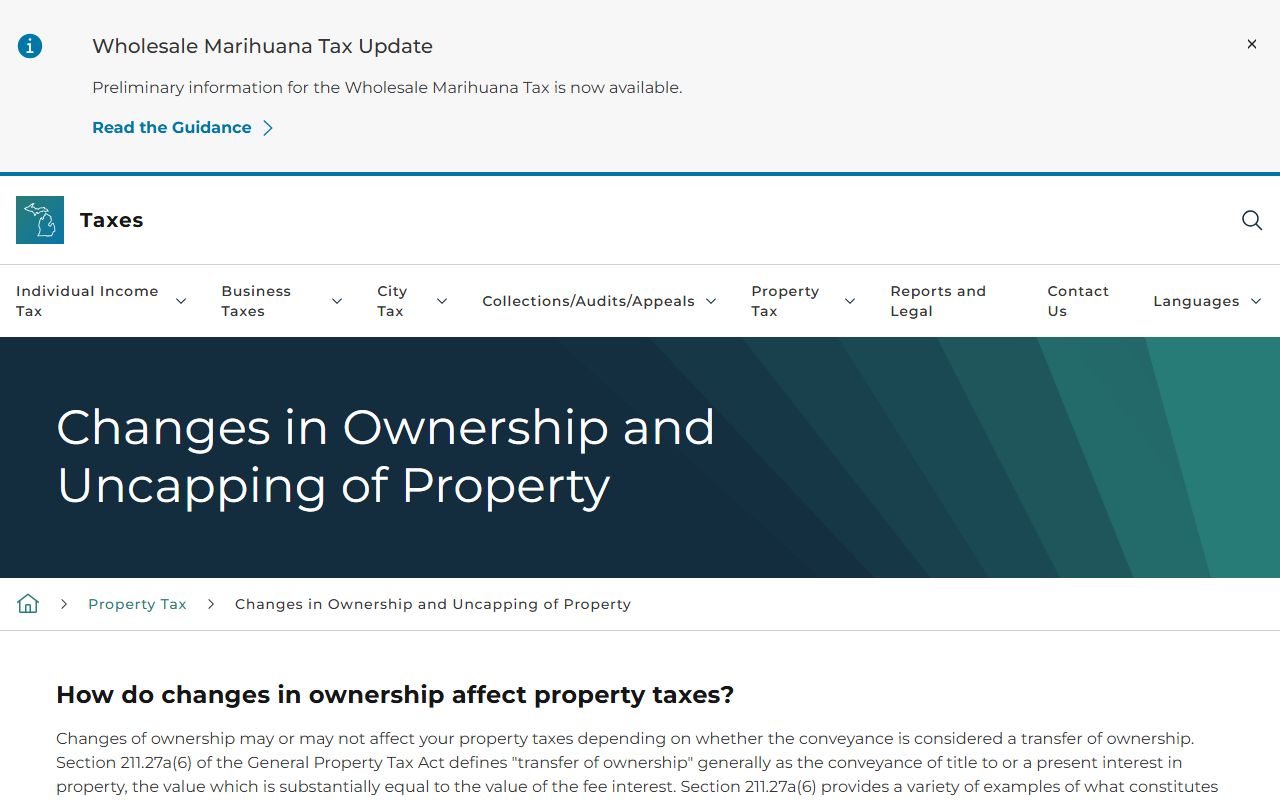
The Michigan Treasury change of ownership page explains when a transfer triggers uncapping under MCL 211.27a and what the assessor must be notified of after a deed is recorded in Kent County.
Some transfers are exempt from transfer tax. Gifts to family members, transfers between spouses, and conveyances to a living trust where the grantor is also the beneficiary are common exemptions. A valuation affidavit must accompany every deed at recording, even when the transfer is exempt, so the assessor has a record of the transaction value or the basis for exemption.
Types of Deed Records Filed in Kent County
The Kent County Register of Deeds holds a wide range of property instruments. Warranty deeds are the most common type in standard residential sales. Quitclaim deeds come up often in family transfers, divorce settlements, and situations where clear title cannot be guaranteed. Mortgage documents and discharges of mortgage make up a large share of the recorded volume as well.
Other document types include land contracts, affidavits of survivorship, condominium master deeds, plat maps, easements, and liens of various kinds. Plat maps are important for subdivisions and condo projects because they set the legal boundaries of each lot or unit. When researching a property in Kent County, you may need both the deed itself and the relevant plat to get the full picture of boundaries and any recorded restrictions. The office staff can point you to the right instrument types once you describe what you are looking for.
Easements recorded in Kent County may have transfer tax implications. Michigan Treasury guidance covers when tax applies to easement conveyances.
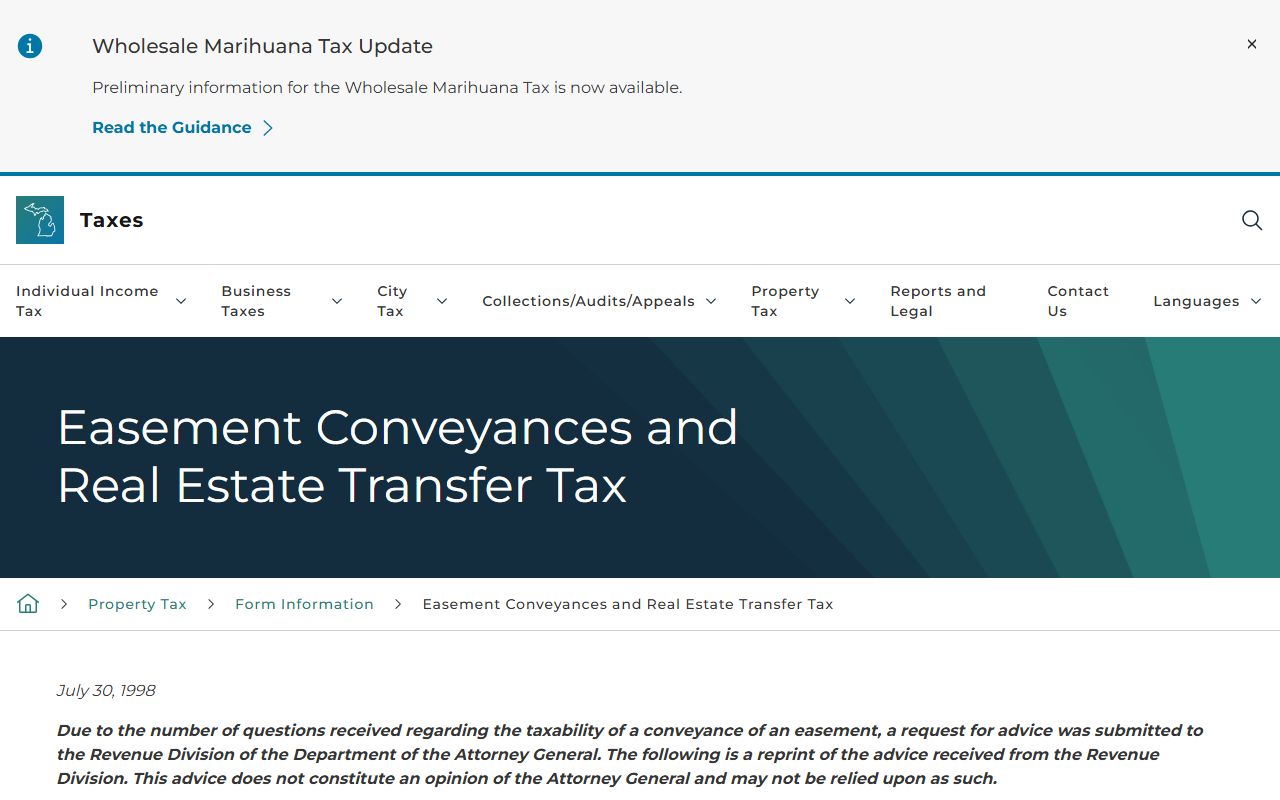
The Michigan Treasury easement conveyances page explains which easement transfers trigger real estate transfer tax and what exemptions apply.
Historical Kent County Deed Records
Kent County deed records start in 1835, making this one of the longer-running archives in western Michigan. Early deeds document the first private land transfers in the Grand River valley, when territory was moving from federal or state ownership to individual settlers and early commercial interests. Title researchers and genealogists frequently use these older records to trace ownership chains or verify boundary descriptions used in later surveys.
Records from the mid-1800s through the late twentieth century exist primarily in physical deed books at the Monroe Avenue office. The index for this period may also be in book form. Staff can help you navigate to the right deed book and page if you provide a property description or an approximate year of the transaction. For records within the computerized era, online access through AccessKent is generally the faster approach.
The Michigan State Archives in Lansing holds some microfilm copies of deed records from older Michigan counties and may have supplemental materials for Kent County research. If you cannot locate a specific early record through the county office, the archives can be a useful backup resource. Local genealogical societies in the Grand Rapids area sometimes maintain transcriptions of early deed records as well.
Cities in Kent County
Grand Rapids is the county seat and largest city in Kent County, with a city-level deed records page covering courthouse locations, local resources, and specific research guidance for property in the city. Wyoming is another major city in the county with its own page.
- Grand Rapids - county seat, largest city in Kent County
- Wyoming - major city in the southwestern part of the county
Other communities in Kent County include Kentwood, East Grand Rapids, Walker, Rockford, Lowell, and Cedar Springs. These cities do not have separate deed records pages but are served by the same Register of Deeds office at 300 Monroe Avenue NW in Grand Rapids.
Delinquent Tax and Property Records
Delinquent property tax records in Michigan are handled separately from deed records but can affect title research in Kent County. When taxes go unpaid long enough, the county can acquire the property through a forfeiture and foreclosure process. These actions are recorded with the Register of Deeds and show up in the deed index.
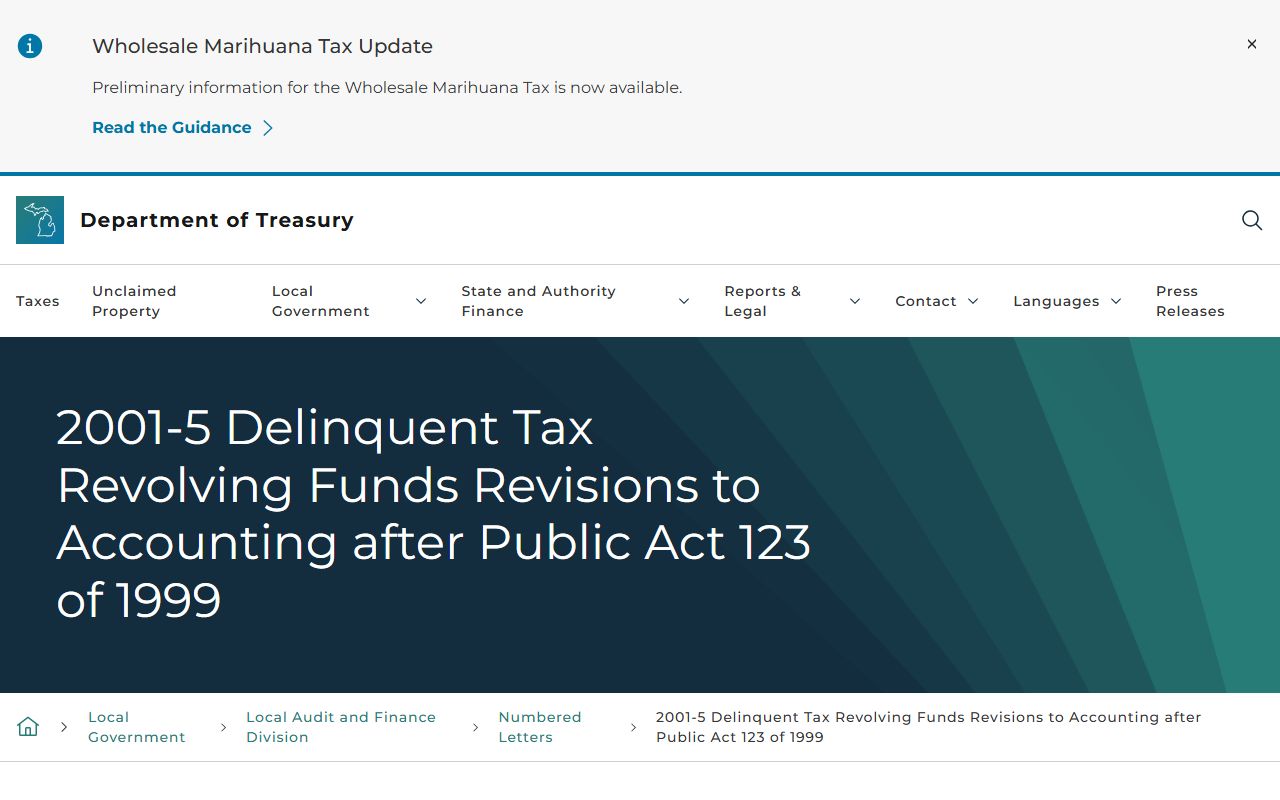
The Michigan Treasury delinquent tax guidance explains how delinquent tax revolving funds work and what changes Public Act 123 of 1999 brought to tax foreclosure procedures across Michigan counties including Kent.
Nearby Counties
Kent County borders several counties across west and central Michigan, each with its own Register of Deeds for local property records.