
Van Buren County Deed Records Search
Van Buren County deed records are available free online through the Register of Deeds office in Paw Paw, with GIS-integrated search tools that let you look up property transfers, mortgages, and other recorded instruments without visiting the courthouse. This page covers how to access Van Buren County deed records online and in person, what it costs to get copies or record a document, and what fraud protection the office provides for local property owners.
Van Buren County Deed Records
Van Buren County Register of Deeds Office
The Van Buren County Register of Deeds is located at 212 E. Paw Paw St., Suite 105, Paw Paw, MI 49079. You can reach the office by phone at 269-657-8248. The main county website is at vanburencountymi.gov, and the dedicated deed records portal is at deeds.vanburencountymi.gov.
This office handles all real property recording for Van Buren County. That includes warranty deeds, quitclaim deeds, mortgages and discharges, land contracts, easements, liens, and plat maps. Each document submitted gets assigned an instrument number, stamped with the date and time of recording, and added to the index. The Register of Deeds also maintains a property fraud alert program at no cost to local owners.
If you need to submit documents in person, visit Suite 105 during regular business hours. Staff can record documents over the counter or answer questions about recording requirements. For volume filers, the county also accepts e-recorded documents through approved vendors, so you don't need to make a trip for routine filings.
Free Online Deed Records Search in Van Buren County
Van Buren County offers free online access to deed records at deeds.vanburencountymi.gov. This portal includes GIS integration, which means you can search by parcel, view a map of the property, and pull up recorded instruments linked to that parcel all in one place. Most Michigan counties charge for remote access, so the free model here is a real advantage for homeowners, attorneys, and researchers.
The Van Buren County deed records portal lets you search by party name, instrument type, or date range. Results show the grantor, grantee, instrument type, recording date, and book and page reference. You can view document images directly on screen. Printing or saving copies from the portal may be subject to the standard $1 per page copy fee depending on how the system is configured.
The GIS layer adds context that a name-only search does not provide. You can click a parcel on the map and see what instruments are recorded against it, which is useful when you need a quick chain-of-title check or want to confirm whether a lien or easement affects a specific lot. The integration between the deed index and the parcel map is not available in every Michigan county, making Van Buren's portal one of the more capable free tools in the state.
The screenshot below shows the Van Buren County deed records online portal at deeds.vanburencountymi.gov.
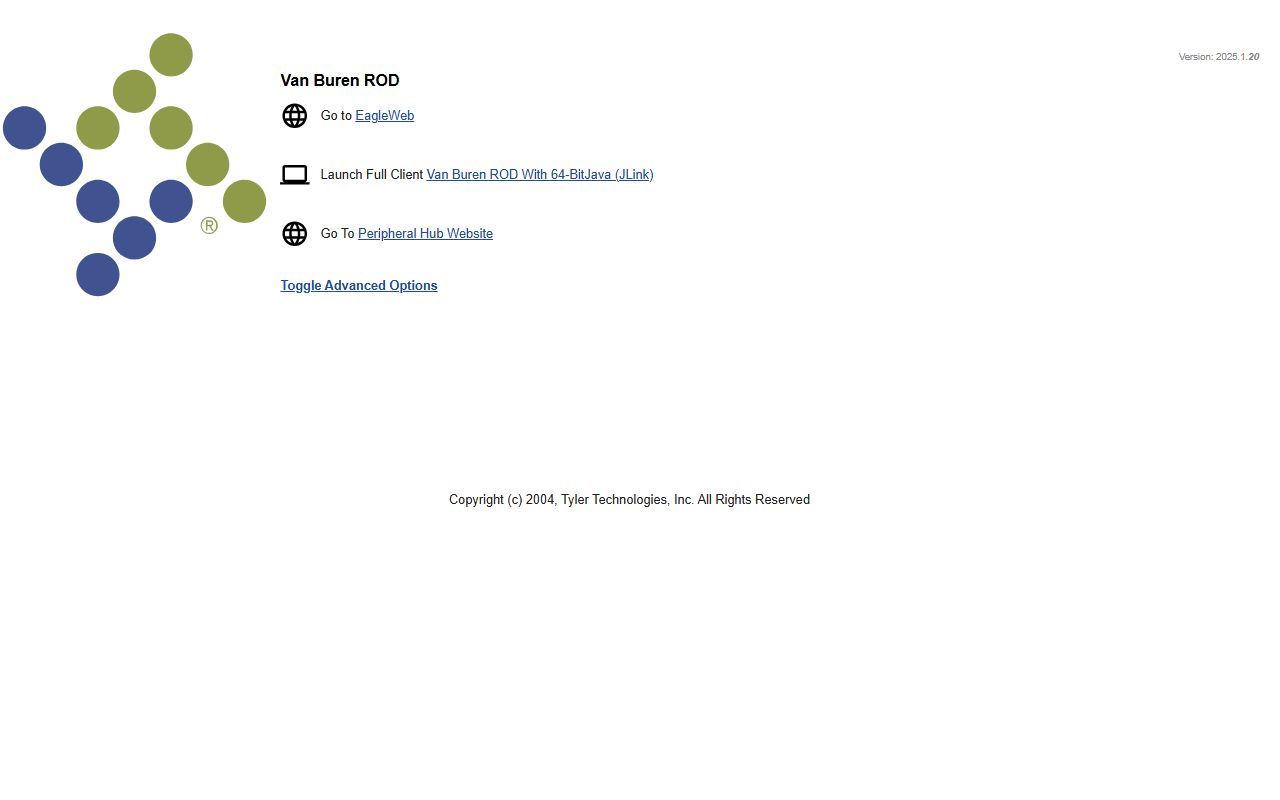
You can access the full deed records search and GIS tools at deeds.vanburencountymi.gov without creating an account or paying a fee.
Recording Deed Records in Van Buren County
Michigan sets the recording fee at $30 per document under MCL 600.2657. This flat fee applies to deeds, mortgages, assignments, discharges, liens, and other instruments filed with the Van Buren County Register of Deeds. Page copies cost $1.00 each. Certified copies carry a $5.00 certification fee in addition to the per-page charge.
Documents must meet the format standards in MCL 565.201. That statute sets the required margins, minimum type size, paper weight, and the information that must appear on the first page of every instrument. Documents that don't meet these standards may be rejected or assessed a non-standard filing fee. If you prepare your own deed, review the statute before submitting.
E-recording is available through vendors like Simplifile, ePN, CSC, and Indecomm. Michigan's uniform e-recording law under MCL 565.841, the Michigan Uniform Real Property Electronic Recording Act (MURPERA), governs electronic submission across all counties. The same $30 fee applies whether you record in person or electronically.
Transfer Tax on Van Buren County Deed Records
Property transfers in Van Buren County are subject to both state and county real estate transfer taxes. The state rate is $3.75 per $500 of value under MCL 207.521. The county adds $0.55 per $500 under MCL 207.501. Combined, that works out to $8.60 per $1,000 of sale price. The seller typically pays transfer tax at closing, though the parties can agree to a different arrangement in the purchase contract.
Michigan Treasury guidelines explain how a recorded transfer triggers a change-of-ownership review for property tax purposes.
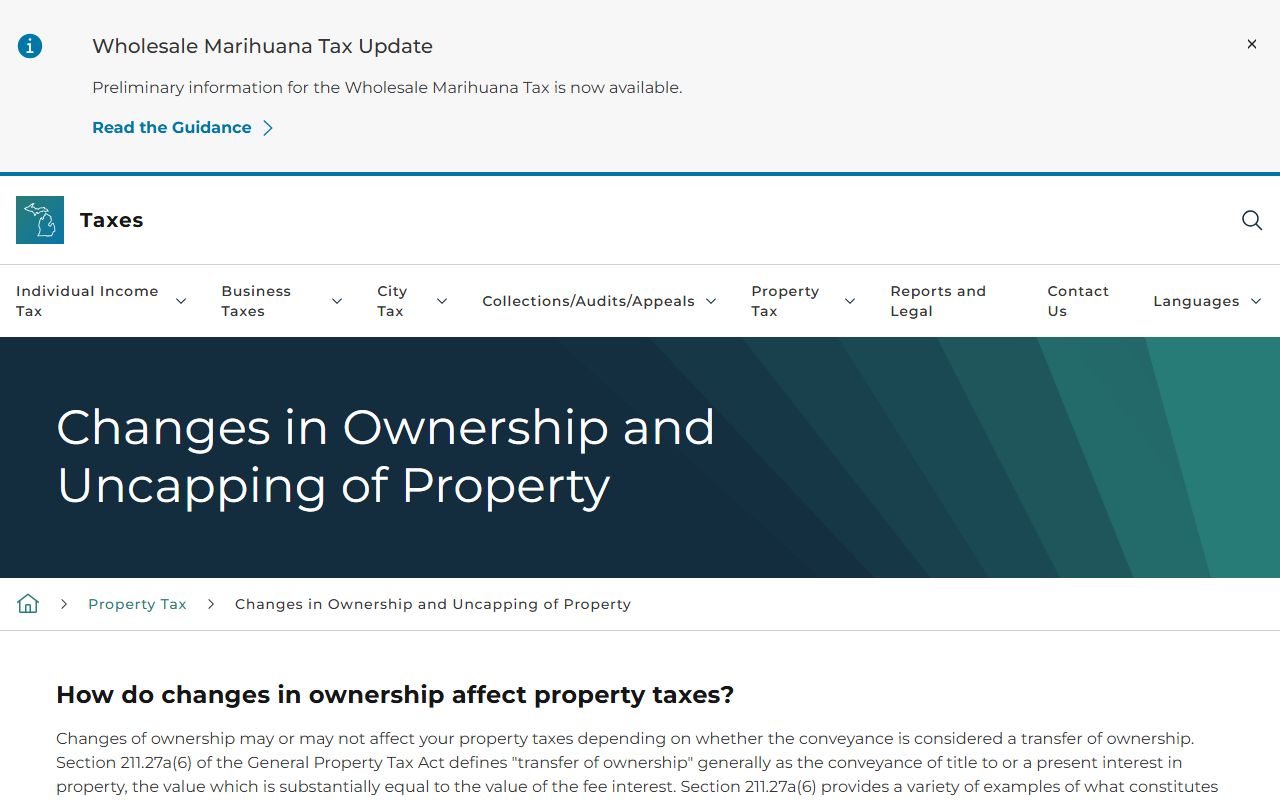
The Michigan Treasury change of ownership page covers when a transfer uncaps the taxable value under MCL 211.27a and what the assessor must do after a deed is recorded.
Some transfers are exempt from transfer tax. Common exemptions include transfers between spouses, gifts to immediate family, and conveyances to a revocable living trust where the grantor is also the beneficiary. Even exempt transfers require a valuation affidavit at the time of recording so the assessor has a record of the transaction. The affidavit is a standard form and must be submitted with the deed.
Property Fraud Alert in Van Buren County
Van Buren County offers a free Property Fraud Alert program through the Register of Deeds office. When you register your name or parcel, the system monitors the deed index and sends an alert if a new document is recorded against your property. You get notified quickly, before a fraudulent filing can do lasting damage to your title.
Property fraud involving fake deeds or unauthorized mortgages is a real risk, especially for properties that are paid off or held in trust. If a fraudulent deed sits on record for months, removing it typically requires legal action. The alert program does not stop fraud from being filed, but it shortens the window between recording and discovery. Early notice gives you time to contact the Register of Deeds and consult an attorney before the problem compounds.
To sign up, contact the Van Buren County Register of Deeds at 269-657-8248 or visit the office at 212 E. Paw Paw St., Suite 105, Paw Paw, MI 49079. Registration is free and usually requires your name and the parcel ID numbers for the properties you want to monitor.
Types of Instruments in Van Buren County Deed Records
The Van Buren County Register of Deeds holds a wide range of recorded instruments. Warranty deeds are the most common, used when a seller conveys clear title to a buyer. Quitclaim deeds show up frequently in family transfers, divorces, and situations where the grantor transfers whatever interest they hold without making a warranty about title quality. Both types are recorded and indexed the same way.
Other instruments you will find in the Van Buren County deed records include:
- Mortgages and mortgage discharges
- Land contracts and land contract memoranda
- Easements and access agreements
- Liens (mechanic's liens, tax liens)
- Affidavits of survivorship and death certificates attached to deeds
- Plat maps and condominium master deeds
Easements recorded in Van Buren County can have transfer tax implications that differ from a standard deed.
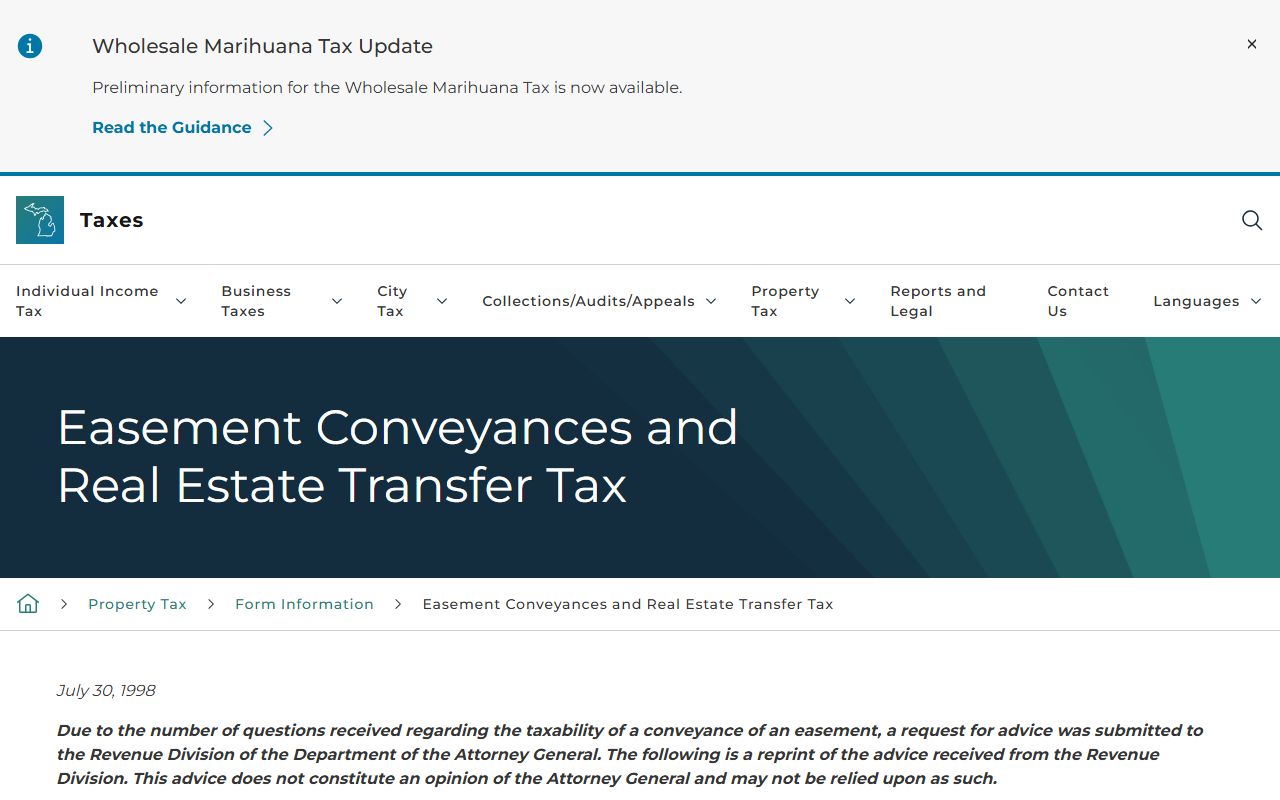
The Michigan Treasury page on easement conveyances and transfer tax explains when transfer tax applies to easements and what exemptions exist.
Delinquent Tax and Related Property Records
Van Buren County deed records work alongside the county's delinquent tax records to give a full picture of a property's financial status. When a property owner fails to pay taxes, the county treasurer's office tracks the delinquency and eventually the county may acquire the property through forfeiture under the General Property Tax Act. Once acquired, the county can sell it through a land auction, and the resulting deed is then recorded with the Register of Deeds.
Michigan Treasury provides guidance on delinquent tax fund accounting and the process that follows tax forfeiture.
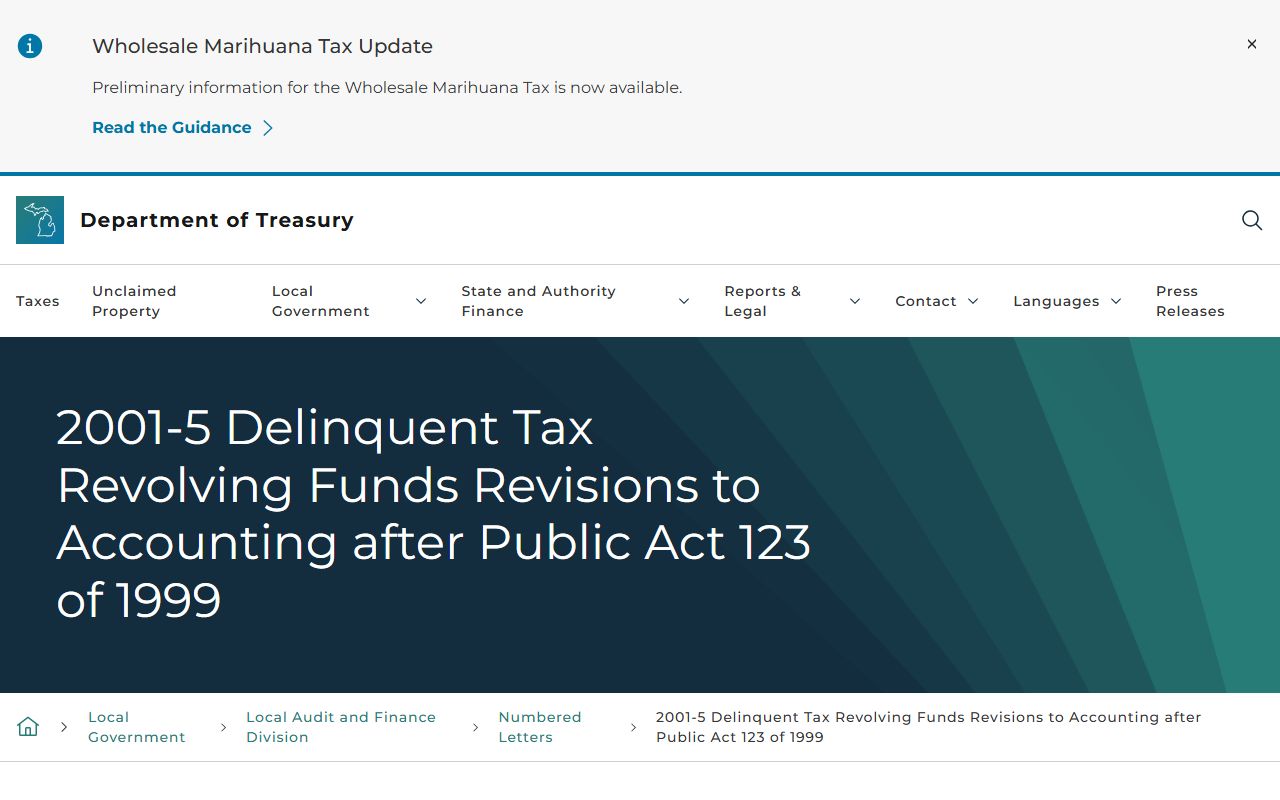
The Michigan Treasury letter on delinquent tax revolving funds explains how counties account for tax-forfeited properties under Public Act 123.
If you are researching a property with a tax history, it is worth checking both the deed index at the Register of Deeds and the treasurer's records. A gap in ownership in the deed index sometimes reflects a tax reversion, and the chain of title runs through the county treasurer's office for that period.
Nearby Counties
Van Buren County borders several southwest Michigan counties, each with its own Register of Deeds office for local property records.