
Find Deed Records in Troy, Michigan
Deed records for Troy, Michigan are filed with the Oakland County Register of Deeds, which maintains one of the most comprehensive property document collections in the state, with roughly 18 million records stretching back to the 1800s. Troy is one of Oakland County's largest cities, and its property market is active, which means the county office processes a high volume of new deed recordings, mortgage filings, and related instruments each year. Whether you're researching ownership history, tracking down a lien, or preparing for a closing, the county ROD and its free online search tool at ocmideeds.com are your starting points.
Troy Deed Records
Oakland County Register of Deeds
The Oakland County Register of Deeds is located at 1200 N. Telegraph Rd., Pontiac, MI 48341. The phone number is 248-858-0590, and more information is available through the county ROD page. This office is the legal custodian of all recorded property documents in Oakland County, including everything filed for properties within Troy's boundaries.
Oakland County's system is widely regarded as one of the best in Michigan. The online database at ocmideeds.com is free to use and covers approximately 18 million instruments. Records go back to the 1800s, which makes it useful for long-range chain-of-title work as well as recent closings. You can search by name, parcel number, legal description, or instrument type.
If you find a document you need in the online index, copies can be ordered at $1 per page, with certified copies available for $5 each. For large batches of copies, calling ahead is a good idea. Staff at the Pontiac office can help you plan a visit or arrange for copies to be mailed.
Property Records Notification (PRN) System
Oakland County offers a free alert service called the Property Records Notification system, or PRN. Once enrolled, you get an email any time a document is recorded in the county under your name. This is a practical fraud-prevention tool for Troy property owners who want to know immediately if someone tries to file a deed or lien without their knowledge.
Deed fraud is a real concern in active property markets. A fraudulent quit-claim deed can be recorded if it meets the county's formatting requirements, even if the underlying transfer is illegal. The PRN system gives you fast notice so you can consult an attorney and take steps to challenge the recording. Signing up is free and takes just a few minutes through the county's website.
Troy homeowners and investors with multiple properties can register all their parcels under one account. The system will send separate alerts for each property. It's one of those tools that most people don't think about until they need it, so setting it up early is worth the small amount of time it takes.
The screenshot below shows the Troy city website, which connects residents to the assessing department and property-related resources.

The city site provides access to assessing data, exemption forms, and land division information that complements the deed records held at the county level.
Troy Assessor's Office
Troy's assessing function is led by City Assessor Kelly M. Timm. The Assessor's Office maintains an inventory of all taxable property within the city and is responsible for calculating assessed values, processing exemptions, and handling land division requests under the Land Division Act of 1996. These records work alongside the deed records at the county level to give a complete picture of any parcel in Troy.
As of 2026, Troy's combined State Equalized Value is projected to exceed $10 billion, which reflects the size and strength of the city's real estate market. That scale means the assessing office handles a large number of transactions, exemption applications, and valuation challenges each year. If you've recently recorded a deed for a Troy property and your assessment hasn't been updated yet, the assessing office is the right place to follow up.
The city also processes Special Assessment Rolls for local improvement projects and administers the Principal Residence Exemption. The exemption reduces the taxable value of a primary residence and must be filed with the local assessor, not the county ROD. If you bought a Troy property and plan to live there, filing this exemption form promptly can save you money on property taxes.
Recording Requirements and Fees
All deeds recorded in Oakland County must meet the formatting standards in MCL 565.201. The requirements include minimum font size, margin widths, and placement of the preparer's name and return address. A deed that doesn't meet these standards may be rejected or subject to a non-standard recording fee.
The flat recording fee is $30 per document. Michigan's combined real estate transfer tax comes to $8.60 per $1,000 of the sale price or true cash value. That total includes both the state transfer tax and the county transfer tax. Certain transfers are exempt from the tax, including transfers between spouses, transfers to or from a trust without consideration, and a handful of other situations listed in state statute.
E-recording is available through approved vendors such as Simplifile, ePN, CSC, and Indecomm. Oakland County accepts e-recorded documents, and many title companies and law firms in the Troy area use this method to speed up the recording process. Under MCL 565.841, electronically recorded documents carry the same legal force as paper originals.
Property Transfer Affidavit
After recording a deed for a Troy property, the new owner must file a Property Transfer Affidavit with the Troy Assessor's Office within 45 days. This is a state requirement under Michigan law, and missing the deadline can result in a penalty. The affidavit notifies the local assessor of the ownership change and triggers a review of the property's taxable value.
In most real estate transactions, the title company or closing attorney handles both the deed recording and the affidavit filing. But in private transfers without professional help, the buyer needs to take care of this step. The Troy Assessor's Office can provide the form and answer questions about how to fill it out. The office is part of Troy's city government, separate from the county ROD.
Michigan Treasury guidelines explain how ownership changes affect property tax assessments statewide, including for Troy properties.

The Treasury's rules on uncapping taxable value apply whenever a deed is recorded and ownership transfers, which is why filing the Property Transfer Affidavit promptly matters.
Michigan Deed Law and Race-Notice Rules
Michigan is a race-notice state, which means the first party to record a deed wins, provided they had no prior notice of another claim. If two people receive deeds to the same Troy property and one records first without knowing about the other's deed, that person becomes the legal owner. This rule makes prompt recording after closing essential, not just a good idea.
The chain of title for a Troy property can be traced through the Oakland County deed index going back to the 1800s. For most residential properties, a chain-of-title search covering the past 40 years is standard practice before a sale, but some transactions require going further back. The ocmideeds.com system makes this kind of research accessible without a trip to Pontiac, though staff at the county office can assist with older records that may only be available in paper form.
Deeds conveying real estate in Michigan typically take one of three forms: warranty deed, quit-claim deed, or covenant deed. A warranty deed provides the broadest protections for the buyer, with the seller guaranteeing clear title. A quit-claim deed transfers only whatever interest the grantor actually holds, with no guarantees. Covenant deeds are less common. Title insurance is typically purchased at closing to protect against defects not caught during the title search.
Michigan Treasury information on easements and conveyances is relevant for Troy properties with shared access or utility easements recorded alongside the main deed.
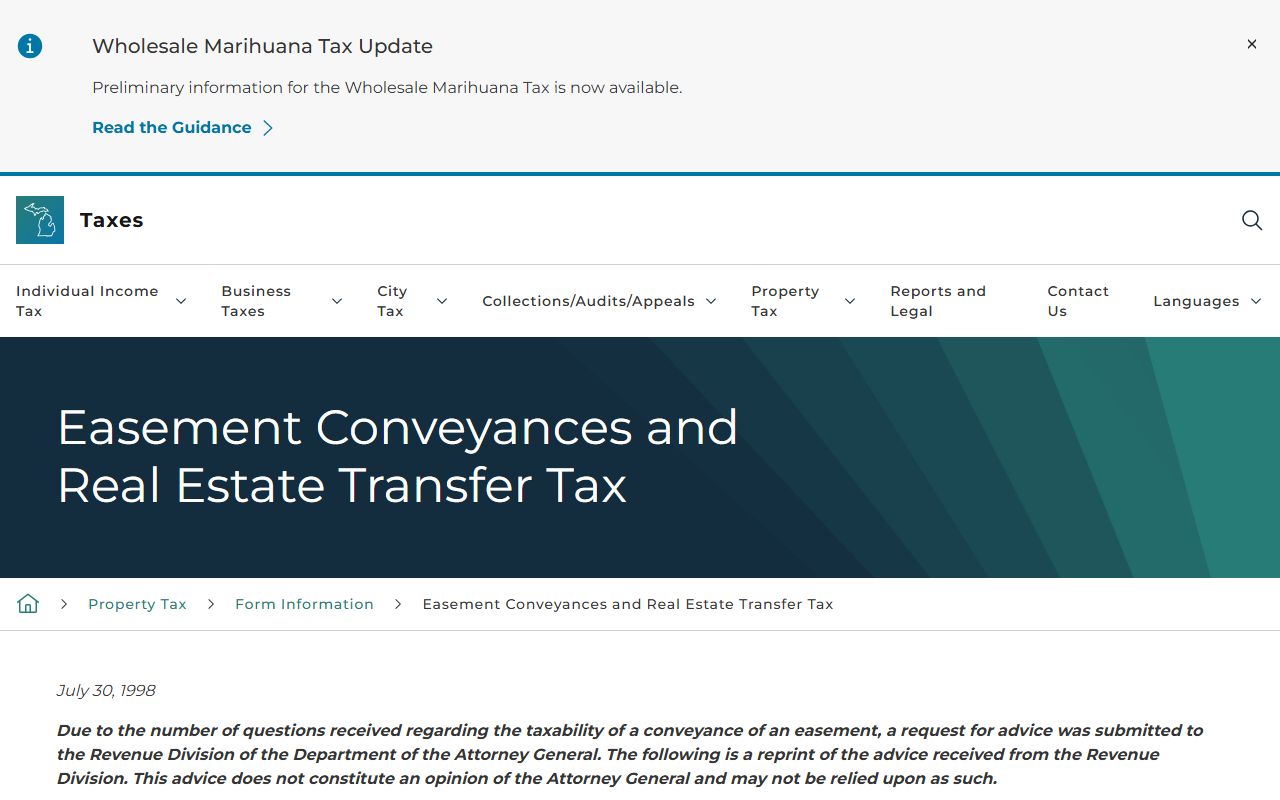
Easements are recorded documents just like deeds and appear in the same county index, so searching thoroughly means checking for these instruments as well.
Nearby Cities
Other qualifying cities near Troy have their own deed records information pages.