
Detroit Deed Records
Deed records for Detroit properties are filed and maintained by the Wayne County Register of Deeds, which serves as the official repository for all real property conveyances within the city. Whether you need to verify ownership, check for liens, or research a chain of title, this guide covers where to search, what fees to expect, how to record a new deed, and which city offices complement your property research.
Detroit Deed Records
Wayne County Register of Deeds
All deed records for Detroit properties are held at the Wayne County Register of Deeds, located at 400 Monroe St., 5th Floor, Detroit, MI 48226. This office operates two main divisions: Real Property and Personal Property. The Real Property Division handles warranty deeds, quitclaim deeds, land contracts, mortgage instruments, and related conveyance documents. The Personal Property Division covers liens and security interests on personal property.
You can reach the office by phone at 313-224-5857. Staff can answer questions about recording procedures, fees, and how to obtain copies of filed documents. Hours of operation are posted on the county website at waynecounty.com.
Wayne County offers the Wayne County Land Records search tool online, which lets you look up deeds, mortgages, and other recorded instruments by grantor/grantee name, parcel number, or document number. Many documents are available to view as scanned images at no charge. The office also offers e-recording through approved vendors, so title companies and attorneys can submit documents digitally without a trip to the courthouse.
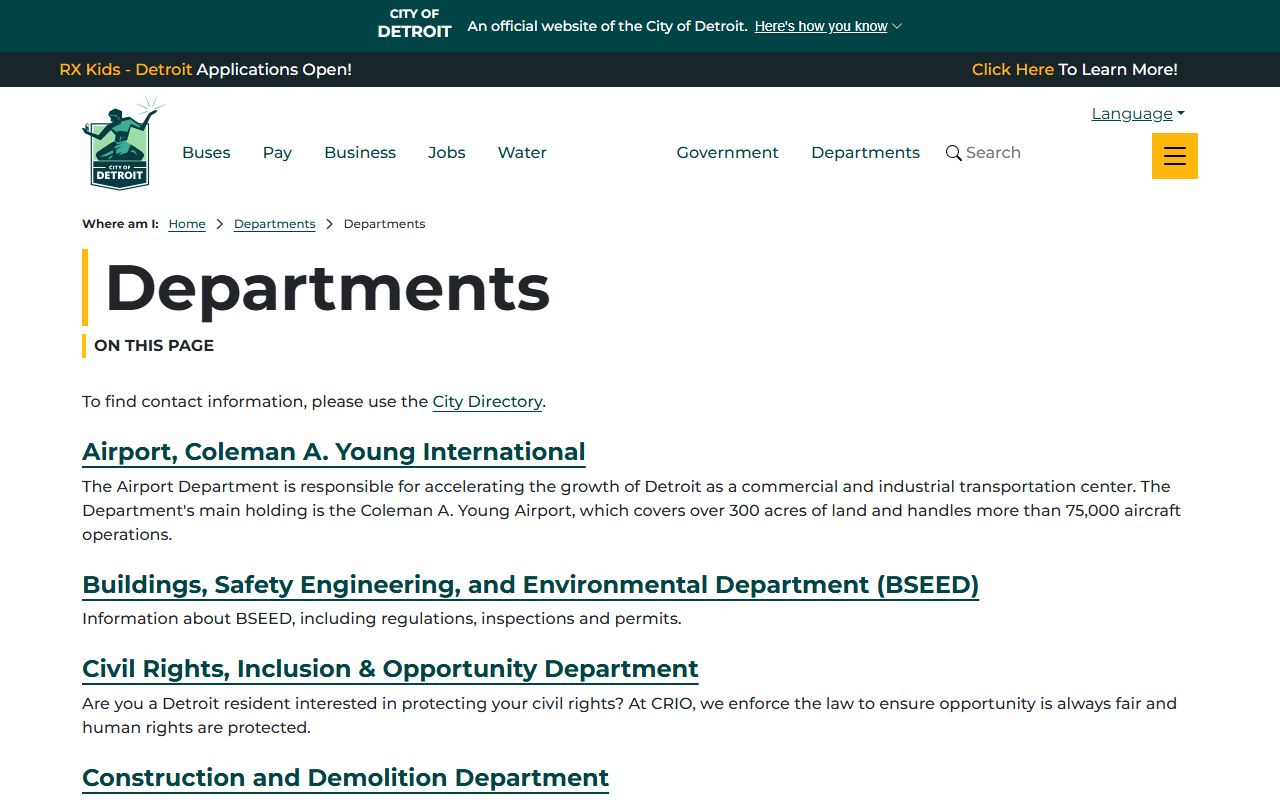
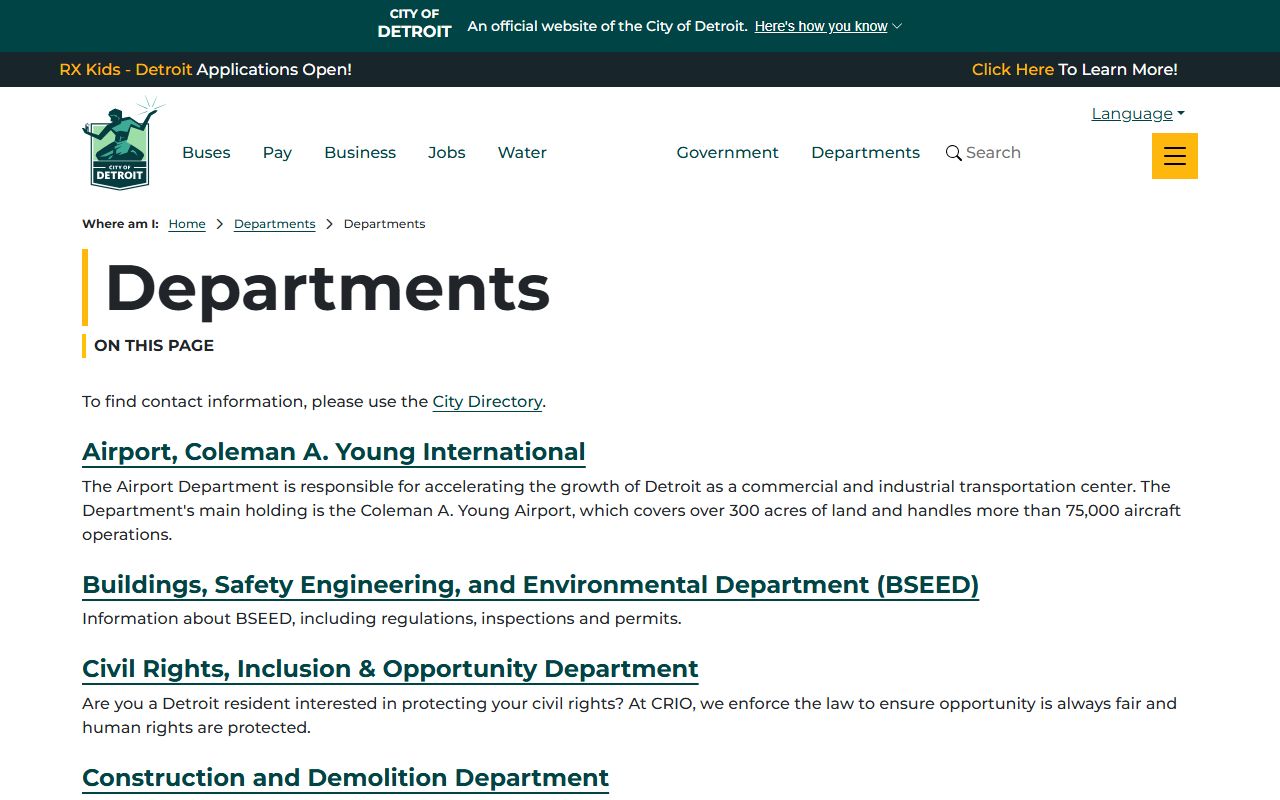
The Detroit city website provides an overview of city services that touch property research, including the Assessments and Appeals division and the Buildings, Safety Engineering and Environmental Department (BSEED).
Here is the Detroit city website, which serves as the starting point for locating assessment records, building permits, and other property-related services run by the city rather than the county.

Property Fraud Alert Program
Wayne County offers a Property Fraud Alert service through the Register of Deeds. This free program sends you an email notification any time a document is recorded against your property. It's a useful safeguard given the volume of deed activity in a large city like Detroit. You can sign up on the Wayne County ROD website. The alert doesn't prevent fraud on its own, but it does let you act quickly if something looks wrong.
If you get an alert and suspect fraud, contact the Register of Deeds office and consult an attorney. The office can provide certified copies of the recorded document, which you may need for any legal proceedings. Certified copies cost $5 each, and plain copies cost $1 per page.
Recording a Deed in Detroit
To record a deed for a Detroit property, you bring or mail the original signed and notarized document to the Wayne County Register of Deeds at 400 Monroe St., 5th Floor, Detroit, MI 48226. The office accepts walk-in submissions and mail. E-recording is also available through approved vendors including Simplifile (1-800-460-5657), ePN, CSC, and Indecomm.
Under MCL 565.201, Michigan has strict formatting requirements for recorded documents. Your deed must meet these standards or the Register of Deeds can reject it. Key rules include: 3-inch top margin on the first page, 1.5-inch margins on all other sides, minimum 10-point font, and legible print throughout. The document must also include the preparer's name and address, and a return mailing address for the recorded original.
The flat recording fee is $30 for the first document under MCL 600.2657. Additional pages do not add to the base fee. If you need to record multiple documents in one transaction, each is $30. The office accepts cash, check, and money order; call ahead to confirm current payment methods.
Michigan is a race-notice state. That means the first party to record a deed in good faith and without notice of a prior claim generally wins a dispute over ownership. Recording promptly after closing is critical to protect your interest in Detroit property.
Transfer Tax on Detroit Property Sales
Every deed that conveys property for value in Michigan is subject to transfer tax. The combined rate is $8.60 per $1,000 of the sale price, split between state and county portions. On a $200,000 Detroit home sale, the total transfer tax would be $1,720. The tax is typically paid at closing and is noted on the deed via transfer tax stamps.
Certain transfers are exempt from the tax. Transfers between spouses, deeds correcting an earlier instrument, and transfers to a trust where the grantor is also the beneficiary are among the common exemptions. The deed must include an affidavit or notation to claim an exemption. The Wayne County Treasurer's office handles questions about transfer tax on specific transactions.
The Michigan Real Estate Transfer Tax is governed by state law, and the county collects its share at the time of recording. Keep records of the transfer tax paid; you may need them for tax purposes when you eventually sell the property.
Detroit City Assessor and Property Records
The Wayne County Register of Deeds holds recorded deed documents, but the City of Detroit Assessments and Appeals division maintains the assessment roll for all Detroit parcels. These are two separate sets of records that together give you a complete picture of a property's ownership and value history.
The Assessments and Appeals office sets the taxable and assessed values for Detroit properties. Under Michigan law, property is assessed at 50% of its true cash value. The office can provide records showing current and prior assessed values, property class codes, and ownership information drawn from filed deeds. Assessment records are public and can help you confirm that a recent deed transfer has been processed into the city's tax rolls.
The BSEED department handles building permits, inspections, and code enforcement in Detroit. If you are researching a property's history of improvements or checking for open permit violations, BSEED records are the place to look. The department's website is at detroitmi.gov/departments/buildings-safety-engineering-and-environmental-department.
The BSEED portal shows building permits linked to Detroit properties, which can reveal the scope of past renovations, additions, or repairs that may affect a property's value or legal status.
Chain of Title and Document Copies
Researching a chain of title for a Detroit property means tracing every deed transfer from the current owner back through prior owners. The Wayne County Land Records search tool is the main starting point for this work online. You can search by grantor name (seller) or grantee name (buyer) and filter by date range to build a timeline of transfers.
For older records not yet digitized, you may need to visit the Register of Deeds office in person to search index books and microfilm. Staff can assist with locating older documents. Once you identify the documents you need, you can order copies at $1 per page or certified copies at $5 each.
The Detroit Assessments and Appeals department also shows current ownership based on the most recently recorded deed. This can serve as a quick check that a recent transfer has been processed, but always confirm with the actual recorded deed at the Register of Deeds for legal purposes.
Special Programs and Legal Framework
Detroit has several city programs that interact with property ownership records. The LeadSafe Housing Program requires rental properties to meet lead safety standards, and compliance records may be tied to a property's permit history at BSEED. The Rental Registration Program requires landlords to register rental units with the city, creating another layer of records tied to ownership.
The Michigan Uniform Real Property Electronic Recording Act, codified at MCL 565.841, authorizes e-recording in Michigan and sets standards for electronic submissions. Wayne County participates in e-recording, which speeds up the recording process for title companies and attorneys handling Detroit transactions.
If you have questions about deed formatting, title searches, or recording procedures, a licensed Michigan attorney or title company familiar with Wayne County practices can help. The State Bar of Michigan's Lawyer Referral Service is one way to find qualified help.
Nearby Cities
Other major cities near Detroit where deed records are held at the county level include the following.